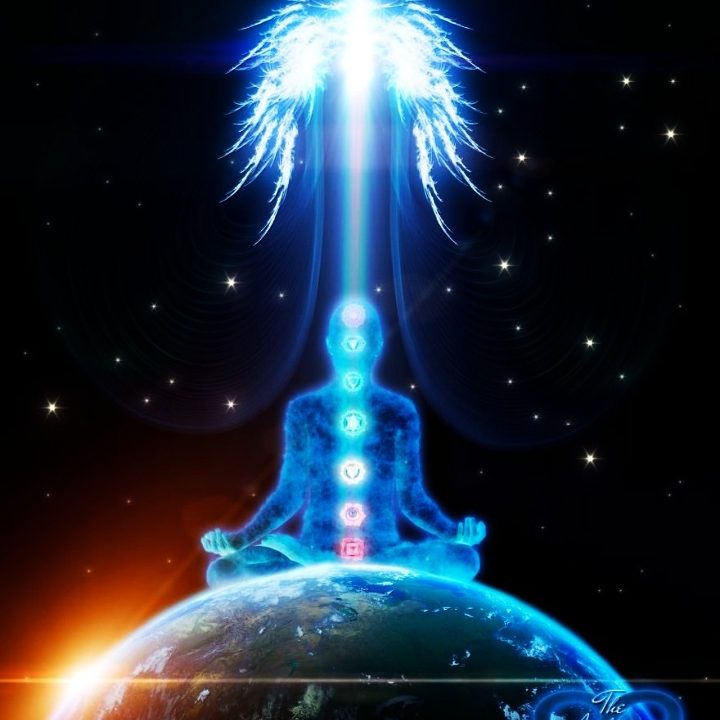
It’s finally time for one of my favorite topics which is the chakra-system. Chakras are subtle energy centers or vortices of pranic energy which are activated in a variety of ancient meditation practices, collectively denominated as tantra. They provide subtle energy to the functions of the body organs, mind and intellect and is also described as being part of a bioenergy system known as kundalini. Kundalini is composed of a vertical energy axis or life force energy known as “chi” or “prana” that we all possess within us. This energy is depicted as a serpent which is coiled around the spinal cord from the perineum up to the top of the head, and it resonates with feminine energy also known as “shakti”. In many cultures kundalini is referred to as a powerful energetic life force that holds the power to surface many of our greatest potentials. In order to understand kundalini, you first need to learn about the 7 major chakras – “Root Chakra, Sacral Chakra, Solar Plexus, Heart Chakra, Throat Chakra, Third-Eye and Crown Chakra” – before embarking on the quest for kundalini.
Root Chakra – Muladhara
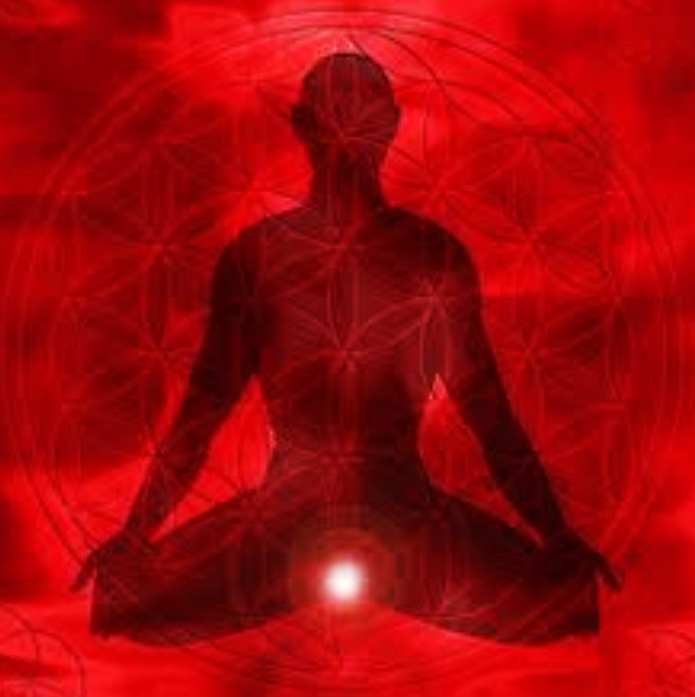
The Root chakra or “Muladhara” derived from two Sanskrit words – “Mula” meaning “root“, and “Adhara” meaning “support“, is located at the base of the spine, the pelvic floor and the first three vertebrae. Muladhara being the first of our energy centers, forms the basis and starting point of our development. Its seed mantra is “Lam” and it radiates the color red, which is a representation of being powerfully linked to physical and emotional needs as well as survival and self-preservation. When it comes to our physiological and spiritual nature, it helps us to develop our personal integrity, self-esteem and a sense of belonging and to be fully grounded to mother earth.
Muladhara is portrayed as a representation of physical experience, keeping us rooted to our inner self. The square represents the earth itself, with the four dimensions and the four directions. Four allows for completion, and earth embodies the elements for human completion of all levels. It also provides the links between our energetic systems and the physical world. The downward pointing triangle indicates the downward movement of energy and the meeting place of the three Nadis: “Ida, Pingala and Sushumna” and an inverted triangle in the center of the square encloses the unmanifest “Kundalini.”
The Sanskrit word “Nadi” translates to “tube, flow or channel“. Similar to our nervous system, our astral body has thousands of channels that energy flows through known as “Nadis.” Ida and Pingala represents the basic duality in the existence, which means feminine and masculine energy.

Root Chakra Guided Meditation
http://www.youtube.com/channel/UCaoagdkamOXKI2A5EWsYTcw
Sacral Chakra – Svadhisthana
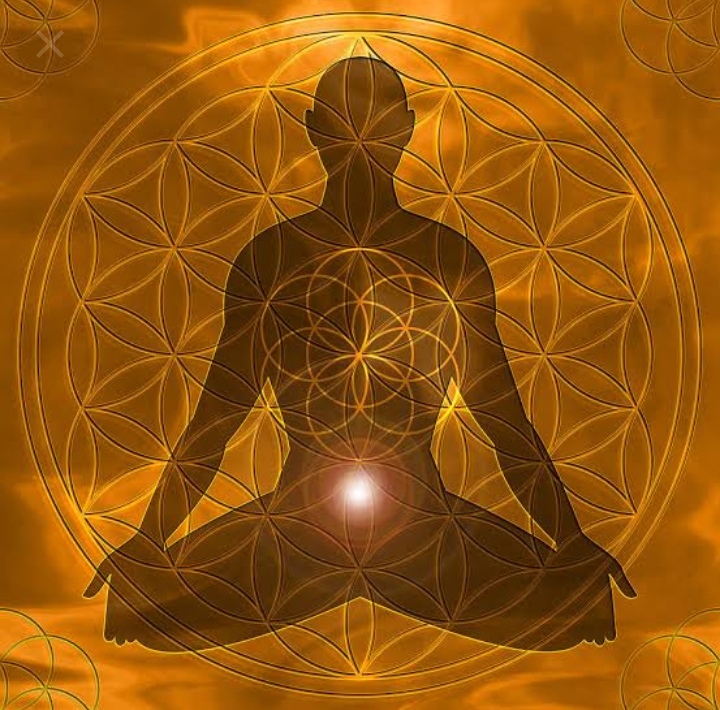
The second primary chakra is called the “Sacral Chakra” or “Svadhisthana” in Sanskrit. “Swa” meaning “self” and “Adhisthana” meaning “self-established.” It is located three inches below the navel and is associated with one’s emotional body, creativity and sensuality. It is also connected to the bladder, kidneys and reproductive organs. The Sacral Chakra is usually formed between the ages of 8 and 14, when one develops a sense of self. The seed mantra is “Vam” and it is represented by the color orange which is translucent and has a transparent quality. The symbol of a circle with six petals represents the element of water and the silver colored moon crescent symbolizes the connection of the energy of the moon with water. Just like water the sacral chakra is also purifying and adaptive to change, allowing you to control the flow of information from the body to the mind and vise versa.
“These symbols are also a representation of the close relationship between the phases of the moon and the fluctuations in the water and emotions” as quoted by Lizzy from Chakra Magazine.
Sacral Chakra is an indication of the harmony between the masculine and feminine energies, sun and moon as well as night and day. It helps us to improve our relationship with ourselves and also with others and assists in letting go, accepting change and transformation in one’s life. It is known to be our center of feelings and sensations, and is characterized by movement and flow of emotions. It’s also referred to as a very important key of tantric yoga as it serves as the fundamental role in expressing of sexuality and the binding between the feminine and masculine energies. It’s described as the chakra that governs the principle of pleasure as well as one’s personal expansion and formation of identity and has the responsibility of spreading the vital energy harmoniously throughout the body. When balanced one can expect nurturing relationships and a harmonious exchange of energy.
Press on the link to access Sacral Chakra Guided Meditation-https://youtu.be/HDnaHUNcUO8

Solar Plexus Chakra

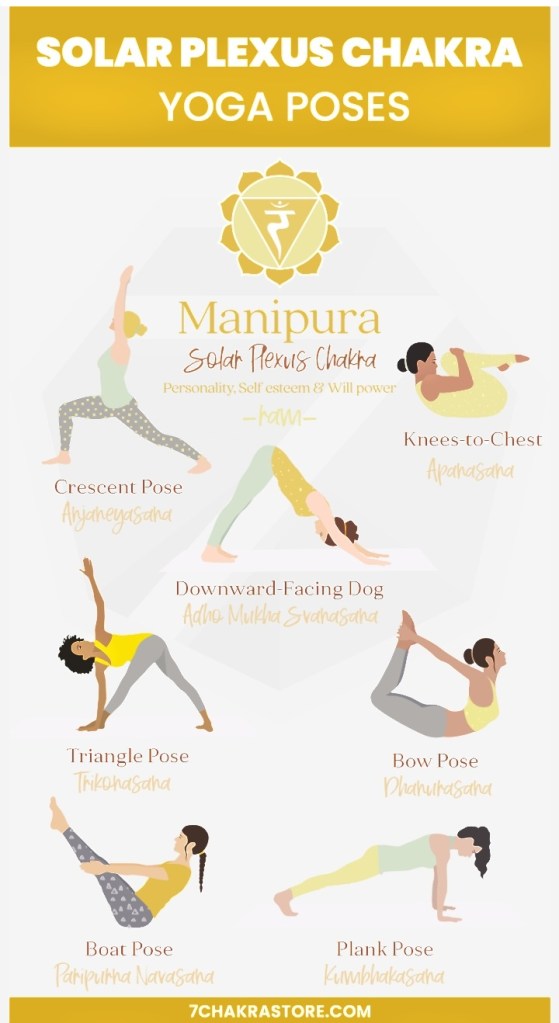
Solar Plexus or “Manipura” in Sanskrit, refers to the third primary chakra in the body. It spins around the abdomen area in the back of the stomach, above the belly button up to the breast bone. Manipura meaning “lustrous gem” in Sanskrit, as there are many treasures to be found in this chakra. It provides a source of personal power and it speaks to one’s ability to be confident and in control of one’s life. In the same way that the sun continually radiates energy to the planets, Manipura also radiates and distributes pranic energy throughout the entire human framework, regulating and energizing the various activities of organ-systems and processes of life. It is associated with the digestive and metabolic processes and is connected to the sun, heat, energy of light as well as all forms of power.
The inverted triangle represents the “fire element” and the transformative power of the energy center. Fire turns matter into energy to fuel the body and can also be used to propel forward. Solar Plexus is known to be deeply connected to one’s sense of self. It’s referred to as the chakra that turns inaction into action and supports warmth of personality as well as the ability to make wise decisions. On a spiritual level it’s about acceptance of your place in the Lifestream. When balanced, it makes it easier to find balance between your personal power and harmonious relationships with others as it governs the expression of will, mental abilities and personal power.
Press on the link below for a guided Solar Plexus Chakra Meditation-https://youtu.be/2uA_aJIDiZY
Heart chakra – Anahata

The Heart Chakra or “Anahata” in Sanskrit, which translates to “unhurt, unstruck or unbeaten,” is the fourth primary chakra in the body and is located at the center of the spine, at heart level. The heart chakra represents connectedness, peace, gratitude and trust and serves as a center of love for oneself and others. Anahata is characterized as the energy center where consciousness evolves from physical to spiritual, from tangible to intangible, and from greed to giving. The seed mantra is “yam” and it radiates the color green, which represents freshness and growth inherent in nature. On a physical level Anahata coordinates the activity of the circulatory-respiratory-and immune-system and on a spiritual level it corresponds with affective elevated states of universal love and compassion for others.
It is known as the healing and balancing chakra that aligns with calmness, kindness, harmony and serenity. When balanced you will soon discover that there is more to life than just money or status. Your gaze starts moving inwards. Anahata being one of the most beautiful chakras, invites us to dwell longer in its inexhaustible treasures of delightful feelings and experiences. It is believed to be the gateway to our inner temple and acts as a bridge between the earth and spirit. It allows the experience of sublime states of love as well as the communion with God. “The most beautiful love one can experience, is the love of God. He is our eternal love, and our souls are His beloveds, and when the soul meets the greatest lover in the whole universe then the divine love begins” – Paramhansa Yogananda

Throat Chakra – Vishuddha

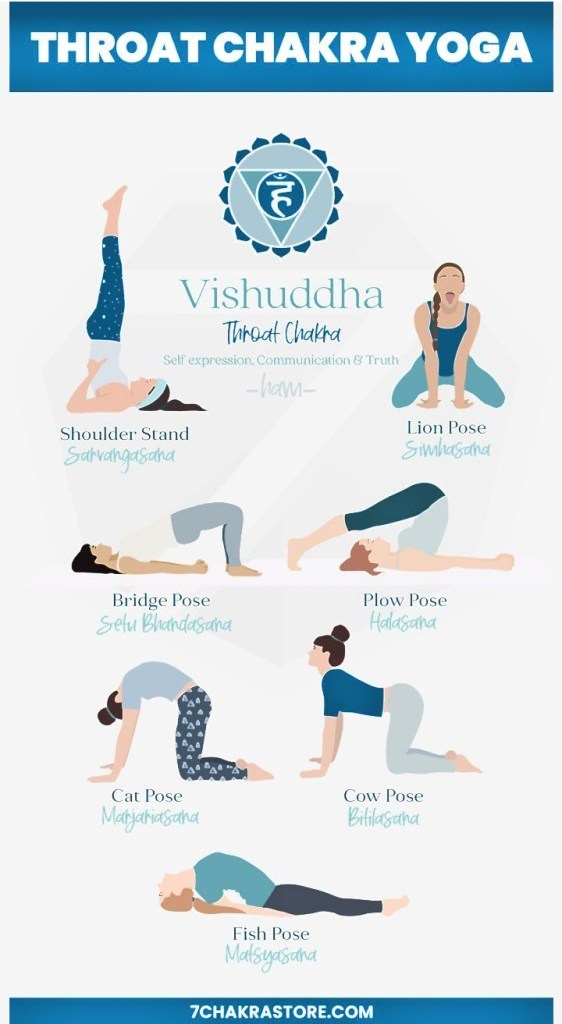
The Throat Chakra or “Vishuddha” in Sanskrit, means “purifying of the body.” This is the fifth primary chakra located at the base of the throat at the center of the larynx. It represents awareness of personal power and knowing that no one outside of yourself has power over you or the choices you make. The energy element governed by this chakra is effective communication and also our internal communication to our true self as it is related to sound. It is also connected to the thyroid which produces hormones essential for growth, maturation and the metabolism. The seed mantra for Vishuddha is “ham” and it radiates the color blue.
The inverted triangle symbolizes spiritual growth and the downward position is synonymous with an entry point into the spiritual realm, while the widening upward sides refer to knowledge leading to enlightenment. It is portrayed as the chakra which is responsible for connecting one’s intuitive abilities and spirit with the etheric realm, as well as the subtle realms. The sixteen petals indicate the flow of energy in sixteen directions in and out of the petals, carried by the sound of each syllable. These syllables are used to reflect the prana or essential energy that comes from these parts.
Symbolically Vishuddha resonates with confession and the ability to speak one’s truth and by balancing this chakra, it releases the pressure that usually affects your Anahata (heart chakra). It is also known to be the significant reference point that aligns the energies throughout the body, and also one’s vision with reality. Vishuddha being the connection to the etheric body, also holds the template or blueprint of other dimensions in the body.
Press on the link to access Throat Chakra/Vishuddha 5 min activation and healing Chant Meditation-https://youtu.be/q5DUmjZDdQQ
Binaural Beats Sleep Meditation music to open Vishuddha-https://youtu.be/7677maMJB10
Third-Eye – Ajna

The Third Eye or “Ajna” in Sanskrit is the sixth primary chakra in the body, also referred to as pineal gland. “Ajna” or “Agya” roughly translates to “command” or “perception“. In some cultures, it is also known to be the mind’s eye due to its mystical and esoteric concept of a speculative eye and is usually depicted to be located on the forehead between the brows. The Third Eye is described as being a unique part of the body that holds psychic powers and it’s believed to be the vortex where one transcends the duality of being the doorway, through which an individual enters the astral and psychic dimension of consciousness.
It is associated with intuition, creativity, imagination, self-awareness and focus, and it governs our ability to understand and or to perceive not only what is right infront of us but also far beyond that. Third Eye being the center of command is also known as the center and origin of oneness, that encompasses our higher senses. It radiates the color Indigo or Royal blue which represents wisdom and a deep inner knowing. While the physical eyes perceive the physical world, Third Eye sees the true world, and by opening this chakra, you can experience the world through a new light, with a new vision, by exposing yourself to an ultimate state of pure self-consciousness.
It is believed that you will also receive an insight into the hidden world that includes another version of your reality of what your life could be, thus giving you a much needed motivation to perfecting your current reality, through manifestation, using The Law of Attraction. It also keeps us focussed on inner-intuitions, through a process called inner-intelligence. Kundalini yoga together with breathing exercises is known to be very effective techniques for opening Third-Eye.

Third Eye Exercise

Crown Chakra – Sahasrara

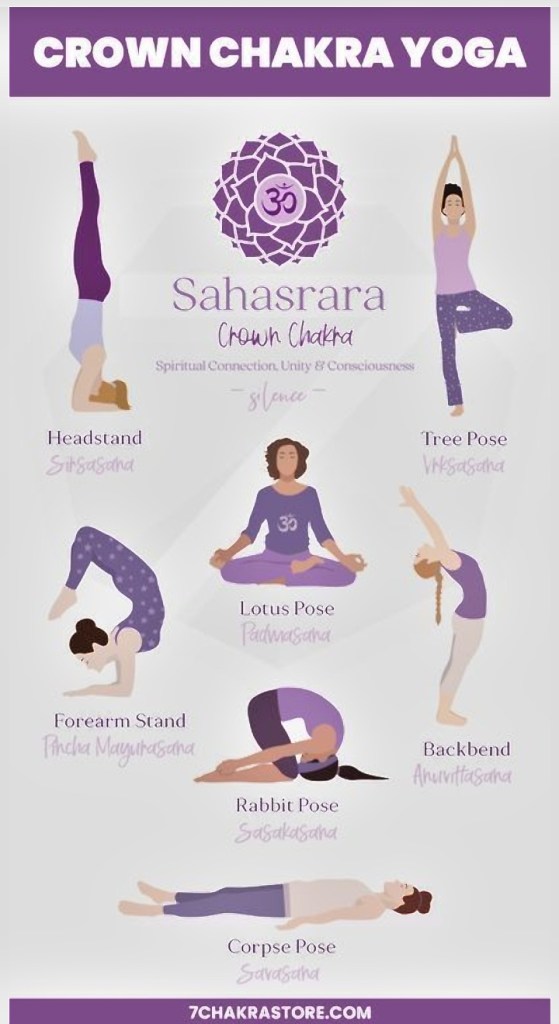
“This is the seventh primary chakra known as the “Crown chakra” or “Sahasrara” in Sanskrit. “Sahasrara” translates to “thousand” or “infinite” and is located on the top of the head at the crown area of the skull. This spinning vortex of pranic energy is known to be the center of spiritual connection to the divine source of creation, also referred to as the bridge between the body and spiritual consciousness. It helps us to realize our true passions and our life purpose. The seed mantra for Crown Chakra is “Aum” and its petals are of various colors, similar to a rainbow but there’s no intermixing. It holds paramount significance in controlling numerous neurological pathways.
Sahasrara radiates a white and golden or deep purple light and is linked to wisdom, self-knowledge and universal consciousness. It is illustrated as the center which aligns us with our founding beliefs. It also represents a state of being where it is no longer possible to experience oneself apart from anyone or anything.” The corresponding elements are pure light, the cosmos and the source of creation. In most cultures the opening of the crown chakra is described as being a unique experience of immersion, in the invisible world of spirituality, which is immediately followed by the discovery of infinite wisdom as well as unconditional love. It mainly serves as a portal to interconnection and unity of all things beyond illusions of ego-separations.
Press the link below for Crown Chakra Guided Meditation https://youtu.be/7ZpUUXNQW1E
You can also balance all of your chakras at once using the following link- https://youtu.be/00pNPZPtBpo
 UniversalWish